Komiks Książka Lista
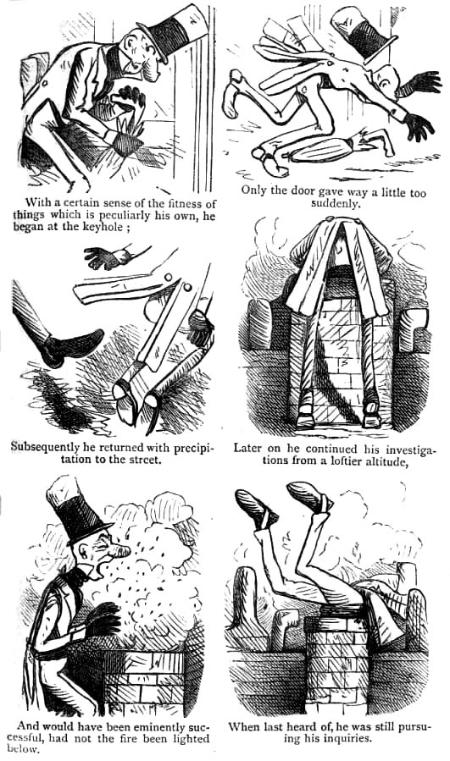
Comics is a medium used to express ideas with images, often combined with text or other visual information. It typically takes the form of a sequence of panels of images. Textual devices such as speech balloons, captions, and onomatopoeia can indicate dialogue, narration, sound effects, or other information. There is no consensus among theorists and historians on a definition of comics; some emphasize the combination of images and text, some sequentiality or other image relations, and others historical aspects such as mass reproduction or the use of recurring characters. Cartooning and other forms of illustration are the most common means of image-making in comics. Photo comics is a form that uses photographic images. Common forms include comic strips, editorial and gag cartoons, and comic books. Since the late 20th century, bound volumes such as graphic novels, and comic albums, have become increasingly common, along with webcomics.
The history of comics has followed different paths in different cultures. Scholars have posited a pre-history as far back as the Lascaux cave paintings. By the mid-20th century, comics flourished, particularly in the United States, western Europe (especially France and Belgium), and Japan. The history of European comics is often traced to Rodolphe Töpffer's cartoon strips of the 1830s, while Wilhelm Busch and his Max and Moritz also had a global impact from 1865 on, and became popular following the success in the 1930s of strips and books such as The Adventures of Tintin. American comics emerged as a mass medium in the early 20th century with the advent of newspaper comic strips; magazine-style comic books followed in the 1930s, and the superhero genre became prominent after Superman appeared in 1938. Histories of Japanese comics (manga) propose origins as early as the 12th century. Japanese comics are generally held separate from the evolution of Euro-American comics, and Western comic art probably originated in 17th-century Italy. Modern Japanese comic strips emerged in the early 20th century, and the output of comic magazines and books rapidly expanded in the post-World War II era (1945)– with the popularity of cartoonists such as Osamu Tezuka. Comics has had a lowbrow reputation for much of its history, but towards the end of the 20th century, it began to find greater acceptance with the public and academics.
The English term comics is used as a singular noun when it refers to the medium itself (e.g. "Comics is a visual art form."), but as a plural when referring to works collectively (e.g. "Comics are popular reading material.").
Czytaj więcej...


Zasady Głosowania
- Możesz głosować w górę lub w dół. Należy zawsze brać pod uwagę kontekst, podczas głosowania, np.piosenka powinna być głosowana w górę lub w dół w stosunku do innych utworów zawartych na płycie, aktora wydajności w porównaniu z innymi podmiotami w tym samym filmie, książce w odniesieniu do innych książek tego samego autora lub w ramach tego samego gatunku.
- Głosowanie może być anulowane, po prostu klikając przeciwny głos w ciągu 24 godzin. Następnie można głosować ponownie na tej samej pozycji.
- Każdy użytkownik posiada jeden głos za przesyłkę w określonym wykazie co 24 godziny. Po 24 godzinach można głosować ponownie na tej samej pozycji, w ramach tej samej listy.
- Możesz głosować na jak najwięcej przedmiotów, jak chcesz w liście lub w tej samej pozycji, jeśli jest częścią innej listy. Na przykład, można głosować David Bowie w górę lub w dół na liście artystów muzyki pop, a także na liście indie artystów rockowych i na liście muzyki rockowej artystów itp.
- Szczęśliwy Głosowanie!