Shibuya Kei Grupa muzyczna & Artysta muzyczny Lista
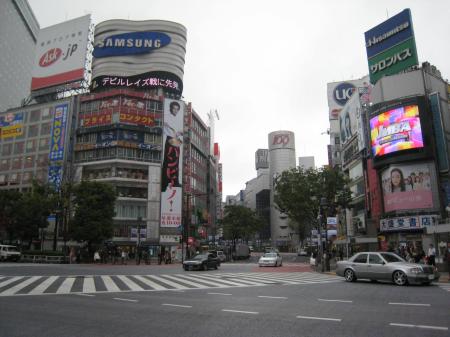
Shibuya-kei (Japanese: 渋谷系; lit. "Shibuya style", also called the Shibuya sound) is a Japanese music subculture and microgenre that originated in Tokyo in the late 1980s and early 1990s. It began as an indie scene encompassing pop musicians who incorporated disparate Western influences, drawing especially from 1960s pop, indie pop, and rare grooves. The term mainly refers to the shared artistic sensibilities between these musicians, who were typically dissimilar in sound, employed quotation and sampling extensively, and were inspired by earlier genres that used kitsch, fusion, and artifice.
Coinciding with the Japanese asset price bubble and emergence of J-pop, the term was originally applied around 1993 to acts whose record sales were largely driven by affluent youth in Tokyo's Shibuya ward, which hosted shops with an exceptional stock of out-of-print imports from the West. Led by Flipper's Guitar and Pizzicato Five, acts frequently collaborated within the scene and, in their music videos and record artwork, adopted fashion and graphics that drew on British mod, Italian cinema, op-art, French new wave, and retro-futurism. Shibuya-kei reached its critical and commercial peak in the mid- to late 1990s, a period in which it crossed over with indie rock, noise pop, downtempo, electronic dance music, and reggae, among other genres. It popularized many Western music styles in Japan, including sunshine pop, yé-yé, hip hop, and Madchester, and contributed to the development of modern J-pop.
Record sales and interest within the scene waned after its general aesthetic was absorbed into the Japanese mainstream, the original artists and groups pursued different styles or disbanded, and its cultural prominence was displaced by idol groups and the Akiba-kei gaming and anime subculture. After the 1990s, it was followed by artists categorized as post-Shibuya-kei, which comprised acts who had been outsider contemporaries of the original scene, neo-Shibuya-kei, a movement led by Capsule, and pico-pico, an electropop variant named from the Japanese onomatopoeia for chiptune. The 2000s saw numerous anime soundtracks adopting the Shibuya sound, a trend later dubbed Akishibu-kei.
Czytaj więcej...


Zasady Głosowania
- Możesz głosować w górę lub w dół. Należy zawsze brać pod uwagę kontekst, podczas głosowania, np.piosenka powinna być głosowana w górę lub w dół w stosunku do innych utworów zawartych na płycie, aktora wydajności w porównaniu z innymi podmiotami w tym samym filmie, książce w odniesieniu do innych książek tego samego autora lub w ramach tego samego gatunku.
- Głosowanie może być anulowane, po prostu klikając przeciwny głos w ciągu 24 godzin. Następnie można głosować ponownie na tej samej pozycji.
- Każdy użytkownik posiada jeden głos za przesyłkę w określonym wykazie co 24 godziny. Po 24 godzinach można głosować ponownie na tej samej pozycji, w ramach tej samej listy.
- Możesz głosować na jak najwięcej przedmiotów, jak chcesz w liście lub w tej samej pozycji, jeśli jest częścią innej listy. Na przykład, można głosować David Bowie w górę lub w dół na liście artystów muzyki pop, a także na liście indie artystów rockowych i na liście muzyki rockowej artystów itp.
- Szczęśliwy Głosowanie!